

Crafting Legacy Through Legacy-Focused Event Design

When I think about the events that linger in our memories, it’s not just the decorations or the food that stand out. It’s the feeling of connection, the sense that this moment matters beyond the day itself. Crafting legacy through legacy-focused event design means creating experiences that reflect who we are, what we value, and the stories we want to pass on. It’s about more than beauty or trendiness. It’s about intention.
Embracing Legacy-Focused Event Design
Legacy-focused event design invites us to slow down and consider the deeper purpose behind our celebrations. It’s a thoughtful process that goes beyond aesthetics to capture the essence of the people and moments involved. When I design an event with legacy in mind, I ask myself: What story do we want this event to tell? How can every detail honor that story?
This approach encourages us to:
Choose meaningful themes and symbols that resonate personally.
Incorporate family traditions or cultural elements that connect generations.
Design spaces that foster genuine interaction and reflection.
Select music, colors, and textures that evoke emotion and memory.
For example, a milestone birthday might include a timeline of photos and stories shared by loved ones, creating a living history that guests can experience. A wedding could highlight the couple’s journey through personalized vows and heirloom details. These choices make the event feel authentic and deeply satisfying.

What Defines a Legacy Event?
A legacy event is one that leaves a lasting impression beyond the day itself. It’s an occasion that feels intentional, meaningful, and reflective of the people it celebrates. But what exactly sets a legacy event apart?
Purposeful Storytelling: Every element contributes to a narrative that honors values, relationships, or milestones.
Emotional Connection: The event fosters moments of genuine connection, reflection, and gratitude.
Timelessness: Instead of chasing trends, the design focuses on elements that will remain meaningful over time.
Personalization: Details are tailored to the individuals or family, making the event uniquely theirs.
Legacy Building: The event inspires guests to carry forward the values or memories celebrated.
When I help clients plan, I encourage them to think about what they want their guests to remember and how the event can serve as a bridge between past, present, and future. This mindset transforms a simple gathering into a legacy event.
Practical Steps to Create a Legacy-Focused Event
Designing an event with legacy in mind requires intention at every stage. Here are some practical steps I follow and recommend:
Start with Reflection
Before any planning begins, take time to reflect on the purpose of the event. What values or stories do you want to highlight? Who are the key people involved, and what do they cherish?
Choose Meaningful Symbols and Themes
Incorporate elements that carry personal or cultural significance. This could be a family crest, a favorite flower, or a meaningful quote.
Design for Connection
Arrange spaces to encourage conversation and shared experiences. Consider seating arrangements, interactive activities, or storytelling moments.
Incorporate Heirlooms or Keepsakes
Use items that have history or sentimental value. These tangible connections to the past deepen the event’s meaning.
Select Thoughtful Details
From invitations to favors, choose details that reflect the event’s story. Simple touches like handwritten notes or custom playlists can make a big impact.
Document the Event
Capture moments through photos, videos, or written reflections. These records become part of the legacy you’re creating.
By following these steps, the event becomes a living expression of identity and intention, not just a celebration.

The Role of Space and Atmosphere in Legacy Events
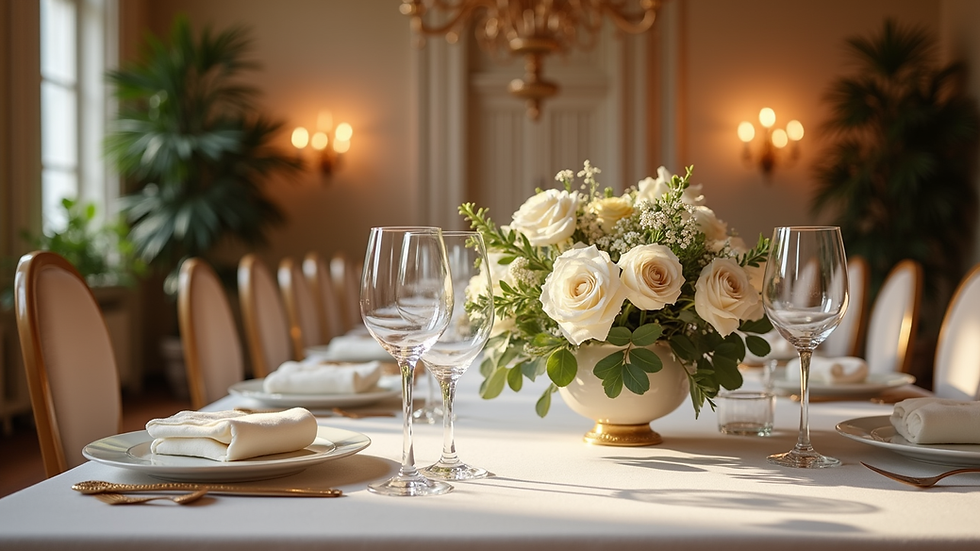
The environment we create shapes how people feel and remember an event. When designing for legacy, I pay close attention to the atmosphere. This includes lighting, layout, and sensory details that support the event’s story.
Lighting: Soft, warm lighting creates intimacy and comfort. Natural light connects us to the outdoors and the passage of time.
Layout: Spaces that encourage mingling and quiet reflection help guests engage on multiple levels.
Textures and Colors: Choose palettes and materials that evoke emotion and align with the event’s theme.
Sound: Music and ambient sounds can trigger memories and set the tone.
For example, a garden party celebrating a family reunion might use natural wood tables, soft linens, and gentle string lights to create a welcoming, timeless feel. The goal is to design a space where guests feel seen and connected.
Why Intentionality Matters More Than Trends
In a world full of fleeting trends, intentionality grounds us. When I focus on intentional event design, I help clients avoid the pressure to follow what’s popular and instead create something that truly reflects their values.
Intentionality means:
Making choices that align with your story and purpose.
Prioritizing quality and meaning over quantity or flashiness.
Creating moments that invite presence and connection.
This approach leads to events that feel authentic and satisfying. Guests leave feeling touched, not overwhelmed. Hosts feel proud, not exhausted.
If you’re wondering how to begin, consider this: What do you want your event to say about you? How do you want it to be remembered? These questions guide every decision and help craft a legacy worth celebrating.
For those interested in exploring this further, I often recommend resources on event design for legacy to deepen understanding and inspiration.
Carrying Legacy Forward in Every Celebration
Legacy-focused event design is not just for big milestones. It can shape every gathering, from intimate dinners to casual celebrations. Each event is an opportunity to express who we are and what matters most.
As you plan your next event, consider:
How can this moment honor your story?
What small details can make a big emotional impact?
How can you create space for connection and reflection?
By answering these questions, you craft more than an event. You create a legacy - a meaningful experience that resonates long after the last guest has gone home.
This thoughtful approach to event design invites us to slow down, be present, and celebrate with intention. It’s a quiet, powerful way to make every moment count.


Comments